As an Amazon Associate, we earn from qualifying purchases. Some links on this site are affiliate links at no extra cost to you. Our recommendations are based on thorough research and editorial judgment.


Integrated Motion Fixtures Vs Screw‑In Motion Sensor Bulbs

1) Function: Integrated motion fixtures combine hardwired LED modules with PIR arrays, providing 90–180° coverage and 6–12 m detection, IP65-rated, adjustable sensitivity, timeout thresholds. 2) Alternatives: Screw‑in motion sensor bulbs use E26 bases, detect motion to ~2.5–3 m, run ~30 seconds per activation, and offer retrofit, IP65 required for outdoors. 3) Tradeoffs: Integrated units deliver better efficiency and 50,000+ hour life, bulbs offer lower initial cost and easy replacement. Continue for selection and installation guidance.
Key Takeaways
- Integrated fixtures offer superior beam control, aesthetics, and longer rated life (50,000+ hours) compared with screw-in sensor bulbs.
- Screw-in motion sensor bulbs install instantly into E26 sockets, ideal for quick retrofits without electrical work.
- Integrated units deliver roughly 30% better energy efficiency, lowering operating costs over the fixture’s lifetime.
- Screw-in bulbs are lower upfront cost and modular, but typically require more frequent replacement (25,000–40,000 hours).
- Integrated fixtures often need hardwiring and occasional full-unit replacement, while screw-ins simplify swaps and reduce repair complexity.
How Integrated Motion Fixtures Work
1. Integrated motion fixtures combine the light source and sensor into a single unit, offering streamlined installation and optimized performance for outdoor applications, typically 10–20 lx activation thresholds. 2. Sensor operation: advanced motion detection technology uses passive infrared arrays with 90–180° coverage and 6–12 m range, triggering integrated LEDs rated 30,000–50,000 hours, with activation in low-light conditions. 3. Mechanical and electrical integration reduces wiring complexity, permitting direct replacement of existing fixtures on 120–240 V circuits, with IP65 enclosures for weather resistance. 4. User control: adjustable settings permit sensitivity, time-out from 10 seconds to 30 minutes, and ambient light thresholds, enabling tailored security and energy savings. 5. Installation is straightforward and reliable. Routine maintenance intervals of 12 months are recommended, ensuring sensor cleanliness and sealing. Integrated motion fixtures often incorporate advanced smart sensor capabilities that enhance security by optimizing detection ranges and angles.
Recommended Products

OPENLUX Only Make High-Quality: Our LED post top light is ETL listed made of SMD3030 LED chips; High-end driver; heavy-duty aluminum Anti-shock, anti-moisture, no glare, no strobe light, protecting your eyes

【Energy Saving& Large Area Illuminating 】400W LED street light used highest brightens SMD3030 LED chip, with output 100000lm in 5000K daylight, Ideal subsitution for 1600 HPS/MH tranditional lights, reduce your electronic bill by up to 85%.T3 lens technology boosts light efficiency, illuminating 11300ft²large area at 30FT-55FT height.

POWERFUL OUTPUT: Bring ultra bright performance to indoor commercial areas with a 150W UFO LED high bay light that produces 21,000 lumens at high efficiency (140 lm/W). These UFO high bay lights are built for LED high bay lights upgrades in a warehouse, workshop, or garage, delivering clear visibility for work areas, storage aisles, and equipment zones.
How Screw‑In Motion Sensor Bulbs Work

Although compact and simple to install, screw‑in motion sensor bulbs incorporate multiple electronic and optical components that require understanding for correct selection and placement. 1. Sensor principle: these motion sensors employ a PIR element to detect changes in infrared within approximately 8–10 feet in darkness, the sensor triggers the lamp only when ambient illumination falls below 15 lux, ensuring daytime inactivity. 2. Installation and compatibility: bulbs use standard E26 bases, they screw into existing light fixtures without wiring, providing a Motion Sensor Light retrofit. 3. Timing and operation: once triggered the bulb remains illuminated for about 30 seconds unless further motion is detected. 4. Applications: suitable for stairwells, hallways, porches and other outdoor use locations, enhancing visibility and security. Users should consider mounting height and sensor field. IP65 weatherproofing is a critical feature for outdoor motion sensor lights to ensure durability in various weather conditions.
Pros and Cons: Integrated Vs Screw‑In
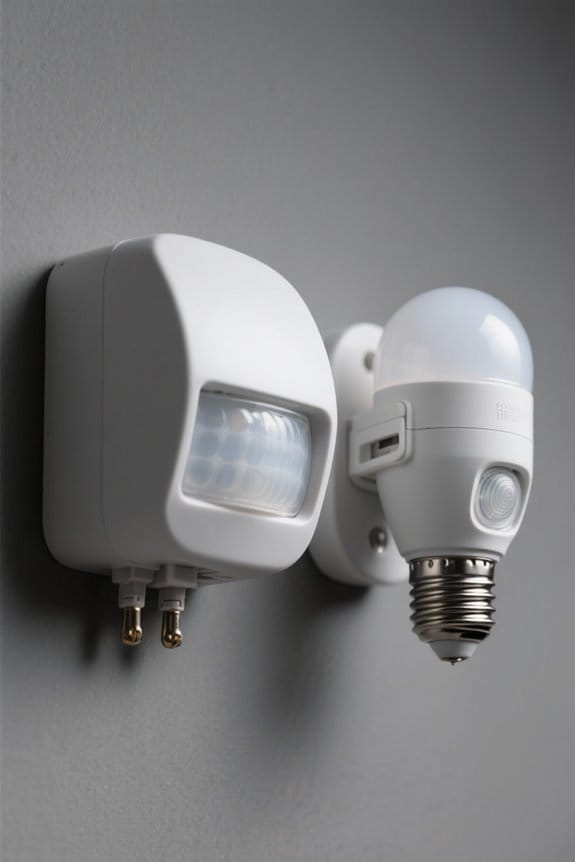
Section 1 (Overview): This comparative evaluation outlines the primary advantages and disadvantages of integrated motion fixtures versus screw‑in motion sensor bulbs, emphasizing form factor, service life, thermal management, and maintenance logistics for practical installation decisions, and it specifies measurable parameters where relevant to guide selection.
- Integrated fixtures: offer streamlined aesthetics and directed beam control, often rated for more than 50,000 hours (about 10 years), provide superior thermal paths that reduce LED junction temperature by 5 to 15 degrees Celsius, however repair typically requires full unit replacement, increasing lifecycle cost.
- Screw-in bulbs: enable easy replacement, allow varied wattages, styles, and motion sensing options for outdoor lights, typically rated 25,000 to 40,000 hours, and provide modularity for rapid swaps, for budget-conscious users, with Aukora. Integrated motion fixtures often come with dimmable features that provide enhanced brightness control and energy efficiency, which is particularly beneficial for indoor installations.
Installation and Maintenance Considerations

- Installation: Integrated fixtures require hardwiring, typically 120 VAC branch circuits, mounting box depth 2.5–3.5 in, and secure anchoring to joists or 4 in octagonal boxes; this increases labor and may need licensed electricians, whereas screw-in bulbs install into standard E26 sockets in seconds, offering a simple sensor option for retrofit. Many integrated motion security lights are IP65 sealing rated, ensuring durability and reliability in various weather conditions.
- Maintenance: Integrated units often necessitate full fixture replacement when LED modules or sensors fail, replacement cycles may be 8–15 years depending on usage, and matching exact models can be difficult.
- Practical guidance: For renovations use screw-in bulbs for quick upgrades and easy sourcing; for new construction consider integrated fixtures for optimized optics, but budget for potential future unit replacement. Schedule periodic inspections every 12 months, document performance, and plan component-level spares.
Recommended Products

【Automated On/Off Functionality】Equipped with an intelligent dusk-to-dawn sensor, our 24 Inch outdoor wall lights automatically detect the ambient brightness, activating when the surrounding light is insufficient. This ensures energy-efficient operation, effectively saving you money.

【Automatic Illumination Control】Our 22 Inch outdoor wall lights are fitted with a sophisticated sensor that can perceive the natural light levels, switching on when the area lacks adequate illumination. This feature promotes the conservation of energy, thereby significantly reducing your costs.

Choose from 16 million colors and shades of white to turn your everyday lighting into an extraordinary experience. Control remotely with your smartphone or tablet, create custom scenes and unleash your creativity.
Energy, Cost, and Environmental Impact

A thorough comparison of energy, cost, and environmental impact quantifies lifecycle metrics, compares installed power and replacement rates, and frames procurement decisions for building operators and contractors.
- Energy metrics: Integrated fixtures with LED bulbs achieve about 30% greater energy efficiency than traditional screw-in options, reducing installed power by measurable watts, a 15W replacing a 25W, yielding annual kWh savings. The color temperature match between indoor and outdoor lighting can also enhance energy efficiency by reducing the need for additional lighting adjustments.
- Cost analysis: Integrated units have higher initial purchase price, but lower lifecycle replacement costs, whereas screw-in motion sensor bulbs incur recurrent replacement expenses tied to hours of operation and bulb longevity.
- Environmental impact: Production and waste are reduced with integrated LEDs due to fewer replacements, however aesthetic or functional upgrades can increase material turnover, warranting procurement policies that prioritize durability and recyclability.
Choosing the Right Option for Your Space
Evaluating space requirements and operational profiles is the first step, detailing fixture placement, mounting heights, lumen targets, and control strategies for motion‑activated lighting. 1. Site assessment: Measure area in square feet, note ceiling or eave heights (8–16 ft), determine spacing to maintain 20–30 fc at task surfaces, and select sensors with 120° coverage to detect motion across approaches. 2. Fixture choice: Use integrated fixtures for directed beams and longer life, choose screw-in light bulbs for retrofit flexibility and easy replacement. 3. Installation: Integrated units may need hardwiring and junction boxes; screw-in bulbs fit E26 bases for rapid setup. 4. Use cases: Prioritize integrated for high-use outdoor security zones; choose bulbs for variable color temperature or DIY projects. Also consider lifecycle costs, maintenance, and warranty. Products like those from Philips offer 4200 lumens and consume only 44 watts, providing a balance between brightness and energy efficiency.
Recommended Products

【Unbeatable Performance】The 2×4 led flat panel lights with edge-lit LEDs are integrated so there are no bulbs to replace; 50/60/70/90W Wattage options, 10000LM high performance surface mount ceiling light fixtures; 110LM/W energy saving, significantly reducing electricity costs compared to traditional fluorescent fixtures. Ideal for eco-conscious lighting solutions in Commercial Areas, Educational and Healthcare Facilities
ULTRA-SHORT THROW: Experience a large 100" diagonal image projected from only inches away with an ultra-short throw lens; ultra short throw projectors allow placement close to the screen or wall providing easy cable management and an unobstructed projected image from foot traffic or objects

A occupancy sensor designed to replace standard light or fan switches; Ideal for high mounted areas such as warehouses and manufacturing and other commercial spaces.
Frequently Asked Questions
Are Integrated LED Lights Better?
Yes; integrated LED lights often outperform alternatives in energy efficiency and light quality, though installation ease varies. A longevity comparison favors integrated units, but repair complexity and replacement cost can offset perceived advantages over time.
What Is the Best Type of Motion Sensor?
Despite cost concerns, the best type depends on purpose: they should prioritize advanced motion detection technology, weigh energy efficiency comparison, consider installation ease, and account for pricing differences when selecting the ideal sensor for durability.
What Are the Disadvantages of Motion Sensor Lights?
They can suffer false triggers, installation issues, limited range and persistent energy consumption; LEDs may fail early, clusters can burn out together, maintenance often requires replacing whole fixtures, and higher upfront costs increase economic risk.
What Happens When an Integrated LED Goes Out?
Like a telegram in a smartphone era, when an integrated LED goes out, the fixture loses all light; failure impact requires full-unit replacement, replacement options are limited, lifespan comparison varies, and troubleshooting tips are limited


