As an Amazon Associate, we earn from qualifying purchases. Some links on this site are affiliate links at no extra cost to you. Our recommendations are based on thorough research and editorial judgment.


LED Lifespan: Why Motion Activation Extends Bulb Life Outdoors

1. Overview: Motion-activated LEDs reduce cumulative run time by 30%, using PIR sensors mounted 2.5–3.5 m with 8–12 m range, improving lifespan. 2. Thermal effects: intermittent operation cuts junction temperature rise by 10–30°C, lowering lumen depreciation and driver stress. 3. Implementation: set timers 10–60 s, ambient cutoff 10–30 lux, use IP65 sensors and vented fixtures. 4. Outcome: longer component life and lower maintenance; continue for installation and calibration guidance. Refer to LM-80 and TM-21 data.
Key Takeaways
- Motion activation cuts total operating hours by limiting illumination to detected events, significantly reducing cumulative runtime.
- Lower duty cycle reduces heat generation and junction temperature, decreasing thermal stress on LEDs and extending component life.
- Shorter continuous-on periods slow lumen depreciation, improving lumen maintenance and extending useful life beyond baseline ratings.
- Energy savings (commonly up to ~30%) plus fewer replacements reduce maintenance costs and shorten system payback time.
- Proper sensor settings (sensitivity, timeout, ambient cutoff) minimize false triggers and maximize lifetime and energy benefits.
Understanding Motion Sensors for Outdoor Lighting
How should a motion sensor be specified and installed for reliable outdoor lighting performance? 1. Sensor selection: specify Passive Infrared (PIR) sensors rated for IP65, detection range 8–12 m, 120° coverage, sensitivity adjustable in three steps, to maximize energy savings and extend LED lifespan. Motion sensors with PIR or microwave technology provide effective detection while minimizing false triggers, ensuring energy efficiency and security. 2. Placement: mount sensors 2.5–3.5 m high, tilt angle 10–20°, avoid facing heat sources, align zones to reduce false triggers and preserve bulb life. 3. Settings and timing: use 10–60 second activation delays, ambient light cutoff 10–30 lux, to reduce operational hours. 4. Integration and maintenance: integrate with photocells and timers, schedule annual checks, documented to reduce maintenance and ascertain consistent performance. Consider factory calibration and firmware updates, and document installation parameters, sensitivity, and wiring diagrams for troubleshooting regularly.
Types of Motion Sensors Used With LEDS

Sensor selection controls detection performance and false-alarm rates, so specify type, nominal range, coverage angle, and sensitivity for each LED installation. 1. Passive Infrared (PIR) sensors: PIR sensors detect infrared radiation from warm bodies, operate typically over 5–12 m ranges, with 90–180° coverage, suitable for residential outdoor lights and close-in security, adjust sensitivity to avoid pets triggering alarms. 2. Microwave sensors: Microwave sensors emit radio waves that reflect from moving objects, provide extended detection range up to 30 m and 360° coverage through thin materials, require careful placement to prevent false triggers through walls. 3. Dual technology motion sensors: Dual technology motion sensors combine PIR and microwave sensors to reduce false alarms, they validate events across both modalities, prolonging bulb lifespan when integrated with LED technology in practical installations. Motion-activated pathway lights typically feature PIR sensors with a detection range of 7-15 ft and a field angle of 90-270 degrees for reliable coverage, enhancing both security and efficiency.
Recommended Products

8.0 Megapixel Ultra 4K HD Capture crisp high quality HD 3840x2160p resolution video, it gives you even higher resolution than standard HD 5MP/1080p cameras; 32 Channel Full HD Max up to 12.0 Megapixel 6K H.265+ NVR (Recording HD 6K 12MP/4K 9MP/1920p/1536p/1080p Resolution Video per channel)

Dusk to Dawn Technology – Keep your home as efficient as possible, with dusk to dawn technology the animated flame bulb will immediately ignite when the sun starts to set

[4K Ultra HD and Color Night Vision] This incredible 4K CMOS image sensor allows the camera to capture more light, resulting in improved color, contrast, and low-light performance. With 4K resolution, you can record everything in stunning detail with high pixel count and digitally zoom in on objects in the distance without losing any quality. Experience the ultimate clarity and enhanced visibility with our advanced technology.
How Motion Activation Reduces LED Operating Hours

When properly configured, motion activation limits LED operation to detected events, typically 10–120 seconds per trigger, reducing cumulative runtime considerably. 1. Operational reduction: Motion sensors activate only on presence, so operating hours fall dramatically compared with continuous schedules, for example from 8,760 to under 2,000 hours annually in infrequently used areas. 2. Life extension mechanisms: By reducing duty cycles, LED bulbs experience less cumulative stress, extending lifespan toward or beyond 25,000 hours, lowering lumen depreciation and preserving measured lux levels. 3. Efficiency and maintenance: Integrating motion sensors yields up to 30% lower energy consumption and enables reduced maintenance, improving total cost of ownership, simplifying implementation with adjustable timers and sensitivity settings. Proper configuration balances sensitivity and timeout to maximize life, performance, savings and reliability consistently. In addition, selecting models with IP65+ weatherproofing ensures durability and sustained performance in outdoor conditions.
Motion Sensors and Thermal Stress on LED Components

Although motion activation reduces runtime, it alleviates thermal stress on LEDs by lowering junction temperature rise by 10–30°C. 1. Thermal mechanics: Motion sensors cut duty cycle, reducing thermal stress on LED lights and drivers, which lowers junction temperatures and limits overheating in enclosed outdoor applications, extending component life. 2. Measured benefits: Studies report junction reductions of 10–30°C, which correlates with longer lifespan often exceeding 50,000 hours, and reduces energy consumption by lowering average power on-time. 3. Implementation: Specify motion sensors with adjustable timeout, integrate with vented lighting fixture designs, and verify driver thermal ratings match expected cycling to prevent driver wear. 4. Recommendation: Regularly test sensor calibration to maintain performance and reassure longevity. Document operating hours and ambient temperatures to inform predictive maintenance annually. Vintage solar lights, such as those with IP65 waterproof rating, are designed to withstand varied weather conditions, adding durability and longevity to outdoor lighting solutions.
Effects of Motion Activation on Lumen Maintenance

1. Motion activation reduces operational hours of LED bulbs, which slows lumen depreciation and preserves initial lumen output over time; studies indicate that motion sensors cut active runtime by substantial percentages in typical outdoor applications. Shorter duty cycles decrease thermal stress, maintaining lumen maintenance and contributing to extended LED lifespan beyond 50,000 hours. 2. Implementation guidance: install PIR or microwave motion sensors with adjustable hold times set to 30–120 seconds, position sensors 2–3 meters above ground with 90° coverage, and program sensitivity to avoid false triggers. This configuration optimizes energy efficiency, limits cumulative heat exposure, and supports performance longevity, reassuring operators that proper calibration yields measurable retention of brightness and reduced lumen decay. 3. Monitor lumen output monthly, record values to verify decay accurately. 4. Weather Resistance is crucial for outdoor LED installations to ensure durability and longevity, especially in varying environmental conditions.
Energy Savings and Cost Benefits of Motion-Activated LEDs
Section 1. 1) Motion-activated LED systems deliver measurable energy savings, reducing consumption by up to 30% versus continuous operation, and up to 80% compared with incandescent fixtures without sensors. 2) Motion sensors prevent unnecessary usage in outdoor settings with intermittent foot traffic, thereby improving LED lighting efficiency and preserving lumen output. 3) Reduced run-hours extend lifespan to approximately 50,000 hours or more, lowering replacement frequency and maintenance costs for residential and commercial installations. 4) The cost-effectiveness is realized through lower utility bills, diminished parts replacement, and quicker payback periods that offset initial sensor plus fixture investment. Implementation examples include pathway lighting, loading docks, and perimeter security, each optimized with sensitivity and timeout calibration. Designers should specify sensor range, hold time, and detection pattern for efficiency. A crucial consideration for installation is ensuring compliance with standards to maintain neighborhood harmony and avoid potential penalties.
Recommended Products
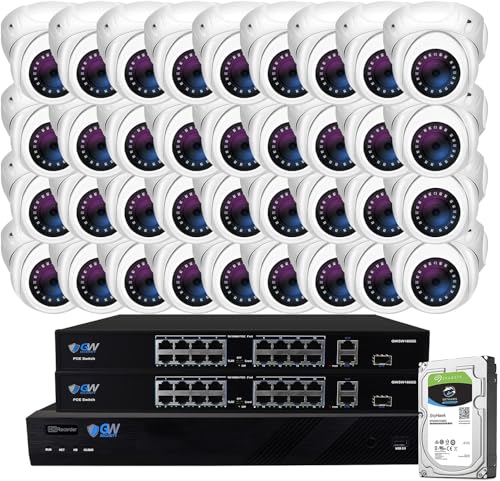
Ultra High Definition 4K (3840x2160) FOUR TIMES the resolution of 1080P! 32 Channel 6K 12MP NVR Security Camera System with (32) H.265+ 4K (8MP) @20FPS Weatherproof 135° Diagonal Field of View Lens PoE IP Turret Cameras (Built-in Microphone)

Max 12.0 Megapixel Full HD Realtime Recording 16 Channel 12MP 6K NVR with (16) 8MP 4K Weatherproof POE H.265+ IP Turret Cameras (Built-in microphone for audio recording and 2.8mm Lens for 130° wide angle)

SPLENDID IMAGE QUALITY VIA 4K UHD RESOLUTION: True 8. 3 million pixels deliver 4K UHD image quality with striking clarity and crisply defined details.
Motion Sensors’ Role in Extending Driver and Component Life
Overview: Motion sensors markedly reduce cumulative run-hours for LED drivers and associated components, lowering thermal stress, inrush events, and average operating temperatures by measurable amounts, which directly contributes to longer component life. 1. Operational reduction: Motion sensors can reduce active run-time by 60–90% depending on site occupancy, which decreases thermal cycling frequency from hundreds to tens of cycles per year, extending driver lifespan by an estimated 2–4×. 2. Thermal management: Brief activation limits junction temperature rise, preserving phosphor and PCB integrity, while lower average temperatures improve capacitor life and reduce leakage. 3. Implementation: Calibrate sensitivity, timeout, and detection zones, combine with adaptive dimming for energy efficiency, and monitor runtime hours for maintenance planning. Routine verification guarantees sensors operate correctly, sustaining LED lifespan and reliability. Additionally, PIR motion sensors are preferred for their wide detection range and angles, ensuring reliable and efficient activation of the lights.
Security and Safety Advantages of Motion-Activated Lighting
When positioned and configured according to site geometry and threat vectors, motion-activated lighting provides measurable security and safety gains by delivering immediate, targeted illumination that alters intruder behavior, improves human visibility, and reduces accident risk. 1. Security benefits: motion sensors trigger 10–20 lux illumination at entryways within 0.5–1.5 seconds, deterring intruders and reducing unauthorized access incidents by up to 50 percent, improving perimeter control and surveillance integration. 2. Safety advantages: directed beams reduce glare and provide 30–50 lumen/ft² along pathways, lowering trip hazards and accidents in outdoor spaces, aiding navigation for residents and emergency responders. 3. Operational impact: intermittent activation reduces wear and tear, extends LED lifespan, lowers maintenance cycles, and provides measurable energy and replacement savings. Recommended inspection intervals: quarterly to biannual checks. The IP65 weather resistance rating of many motion sensor bollard lights ensures durability against harsh weather conditions like rain and snow, contributing to their longevity and effectiveness.
Placement, Coverage, and Sensitivity Best Practices
1. Placement: Motion sensors should be mounted 6–10 feet high, angled toward driveways and entryways, ensuring ideal coverage within a 30–60 foot detection range, which varies by PIR or microwave type. 2. Coverage planning: Map high-traffic zones, overlap sensor beams by 10–20% to avoid dead zones, use dual-technology units to combine PIR and microwave inputs for reliable detection and reduced false alarms. 3. Sensitivity and calibration: Adjust sensitivity to ignore small animals and vegetation movement, set time-out to 15–60 seconds to limit unnecessary operation, regularly reassess settings to maintain energy efficiency and prolong outdoor LED bulbs. Routine verification is recommended. Perform annual testing after storms, inspect mounts and wiring, and document detection performance metrics for iterative improvement. This yields measurable gains in bulb longevity. Weatherproof outdoor lights are designed to withstand extreme weather conditions, ensuring reliable functionality and extended lifespan in various environmental scenarios.
Recommended Products

Wide field of view in full 4K At the core of this camera is an 8MP image sensor. 8MP means there are more than 8 million pixels, which results in exceptionally sharp 4K video, realistic color representation, and superior digital zoom capabilities. The 108° field-of-view also allows your camera to monitor a broader area so you see more and detect motion earlier

Ultra HD 4K / 8MP 8 Channel NVR with (8) H.265+ HD 1920P 5MP POE Outdoor/Indoor Two Way Audio IP Camera

Complete Security Camera System - This system includes a NVR and 4 x 4k HD quality dome cameras
Integration With Smart Controls and Scheduling
Integration with smart controls allows motion-activated outdoor lighting to adaptively manage illumination, conserve energy, extend LED life, and execute programmable schedules.
- System overview: Integration with smart controls links motion-activated lights to hubs or cloud services, enabling remote monitoring, scheduling features, and analytics that optimize energy usage, reduce unnecessary operation, and prolong bulb life.
- Configuration guidance: Use customization settings to set detection range to 5–12 meters, sensitivity levels, and duration timers of 10–300 seconds, balance responsiveness and duty cycle, and limit energy consumption.
- Operational examples: Schedule perimeter lights to 30-minute nightly intervals, enable motion-triggered boosts, collect energy consumption data, and refine schedules based on measured usage trends. This approach supports predictable maintenance intervals, measurable savings, and demonstrable improvements in overall system longevity and reliability.
New sentence: Many solar flood lights feature IP65 weatherproofing to ensure durability in various weather conditions, enhancing their long-term performance outdoors.
Recommended Products
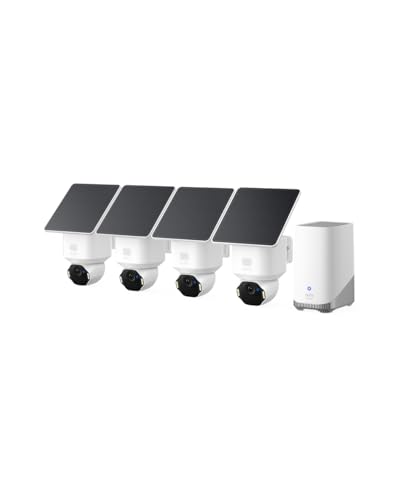
Ultra HD 4K Clarity: Features true 4K UHD resolution to capture every detail around your home. It can even recognize license plates up to 33 ft (10m) away.

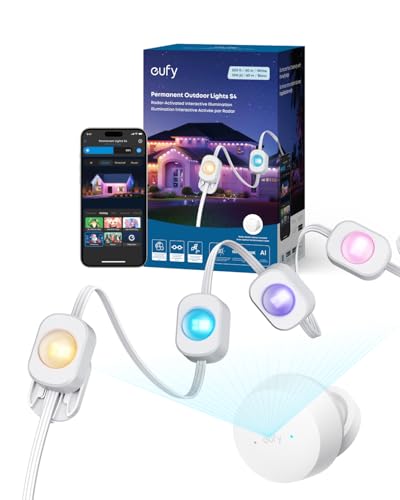
3-in-1 Lighting for Daily, Holiday, and Security: With 120°, 12 m radar coverage, this smart light strip offers precise motion detection for automatic lighting effects that follow your movement. Set customizable security alerts with flashing warnings to deter intruders.
Maintenance, Troubleshooting, and Performance Validation
Maintenance and validation practices should follow from smart control configuration, ensuring that schedules and motion triggers do not obscure underlying thermal, optical, or electrical degradation. 1. Regular maintenance: Inspect and clean lenses and heat sinks monthly, remove debris, verify heat dissipation pathways, and record surface temperatures with an IR thermometer, noting driver temperatures between 40–70°C. 2. Troubleshooting: Check electrical connections for corrosion or looseness, measure voltage and current at the driver, and assess vibration or excess ambient heat as root causes of failure. 3. Performance validation: Request LM-80 and TM-21 reports, compare predicted lumen maintenance at 25,000–50,000 hours to field readings, and perform periodic photometric tests. 4. Preventive actions: Improve thermal management, replace degraded components, and document interventions to extend lifespan. Plan periodic inspections.
Choosing the Right Motion Sensor for Your Outdoor Project
1. Select the sensor type based on site size and false-trigger tolerance, using PIR sensors for residential, energy-efficient detecting movement and microwave or dual technology sensors for larger or complex perimeters. 2. Specify detection range requirements, for example 10–12 meters for walkways, 20–30 meters for driveways, and verify beam pattern and mounting height. 3. Configure adjustable sensitivity to reject small animals and vegetation, start at mid-level and adjust in 10% increments during testing. 4. Address proper placement, mount sensors 2–3 meters high, angle downward 10–20 degrees, avoid direct exposure to heat sources. 5. Consider environmental conditions such as wind, rain, and temperature changes when selecting and commissioning the motion sensors. Dual technology sensors reduce false alarms, improving LED lifespan by limiting active run time.
Recommended Products
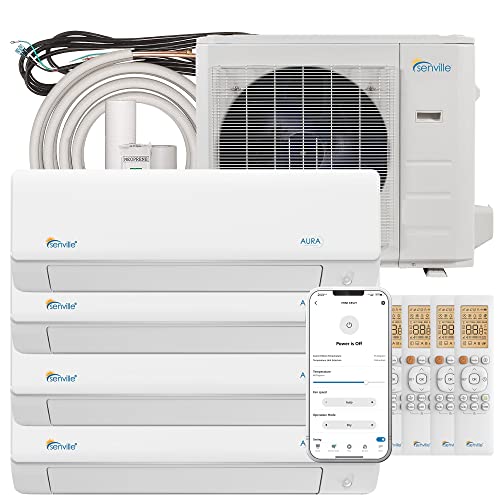
FOUR ZONE MINI SPLIT SYSTEM: Designed for versatile climate control in multiple rooms. Featuring (4) 9000 BTU indoor air handlers and a single 36000 BTU outdoor unit, this 3 ton mini split delivers individual temperature settings in each space, be it with a dual zone configuration.

A whole new level of camera intelligence from new AI processing unit.Aspect Ratio : 3:2

【4K Ultra HD PoE Camera with Audio】This 24-camera security system features 4K (8 MP) Ultra HD PoE cameras with audio. Additionally, the 4K security cameras are equipped with noise-reducing audio, ensuring you receive comprehensive audio information and enhancing the clarity of on-site details.
Frequently Asked Questions
What Is the Main Factor Contributing to LED Bulbs’ Longer Lifespan Compared to Traditional Bulbs?
The main factor is LED technology’s superior energy efficiency, which reduces heat dissipation and optimizes light output; improved usage patterns lower operational costs, reduce bulb replacements, and minimize environmental impact while extending service life markedly.
How Long Do Outdoor Motion Sensor Lights Last?
25,000 hours: they typically last 25,000–50,000 hours (about 3–6 years) depending on bulb technology, lifespan factors, light activation frequency and outdoor use; motion sensors greatly improve energy efficiency and reduce maintenance requirements for outdoor lighting.
How Long Do LED Lights Last Outdoors?
LEDs typically last about 25,000 to 50,000 hours outdoors; proper outdoor lighting design, energy efficiency, weather resistance and fixture protection, plus installation tips and maintenance practices, sustain brightness levels, reduce failures and deliver cost savings.
Do LED Light Bulbs Really Last 22 Years?
They can, under ideal conditions, reach about 22 years; LED longevity depends on outdoor performance, bulb selection, climate impact, and technology advancements. Maintenance tips, energy savings, and environmental benefits support real-world durability when installed properly.


