As an Amazon Associate, we earn from qualifying purchases. Some links on this site are affiliate links at no extra cost to you. Our recommendations are based on thorough research and editorial judgment.

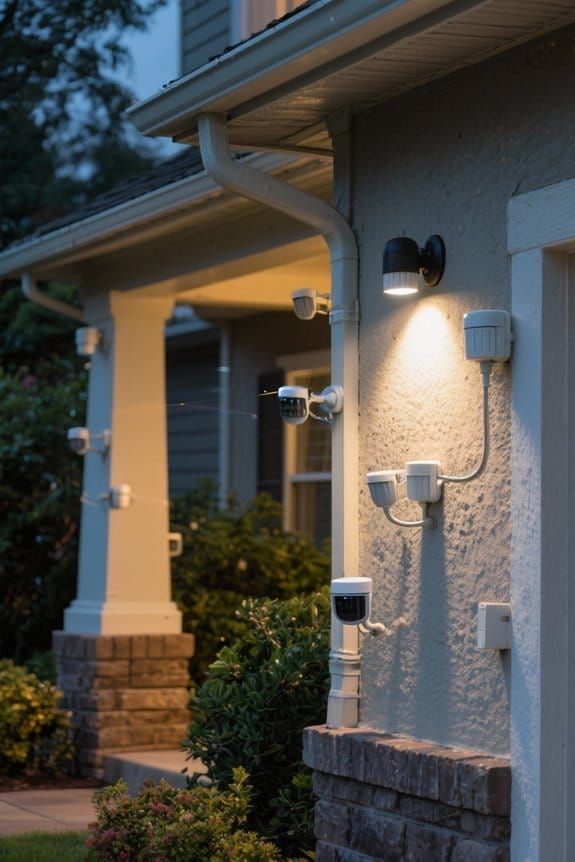
Avoiding Blind Spots: Where Motion Lights Often Miss Movement

1) Common locations: corners, eaves, dense landscaping, and 3–6 m gaps between parked cars often create blind spots, mount sensors 7–10 ft high for ideal coverage. 2) Sensor choice: use PIR for corridors, microwave for 12–21 m range, or dual‑tech to reduce false alarms. 3) Orientation and testing: aim for lateral detection, overlap fields by 20–30%, perform walk‑tests at 1–3 m/s, log misses and recalibrate sensitivity regularly, continue for implementation guidance, and learn practical adjustments.
Key Takeaways
- Inspect corners, eaves, and dense landscaping where overhangs and shrubs commonly create unmonitored blind spots.
- Mount sensors 7–10 feet high and angle them for lateral detection to reduce missed low-profile movement.
- Use overlapping coverage with multiple sensors to eliminate gaps of 3–6 meters between detection zones.
- Prefer dual-technology or multi-head fixtures to reduce false triggers and improve detection across varied environments.
- Re-test after foliage growth or layout changes and log walk-test results to identify and correct new blind spots.
Common Blind Spot Locations Around Buildings
1. Buildings commonly exhibit blind spots near corners, eaves, and dense landscaping, where motion sensors fail to detect movement behind obstructing structures such as fences or large trees. 2. Overhangs and ledges cast shadows creating shaded zones two to six feet deep that passive infrared units often miss unless elevated or angled, install at eight to ten feet for wider coverage. 3. Parking aisles demand sensors positioned to cover three to six meter gaps between vehicles, and employ multiple fixtures to prevent occlusion from extended vehicle sizes. 4. Strategic placement requires mapping sightlines, accounting for environmental factors like heavy rain and wind-driven foliage, and using overlapping fields of view to guarantee vulnerable approaches remain observed. Recommendations should be documented, measured, and periodically validated annually. 5. For optimal performance, consider models like Onforu 120W with multi-head designs that enhance detection zones, effectively reducing blind spots around properties.
Recommended Products

Ultra High Definition 32 Channel 12MP 6K NVR with (32) 4K (8MP) @20FPS Weatherproof 3.6mm Wide Angle H.265+ PoE IP Two-Way Audio PIR PoE Cameras (Built-in Microphone and Speaker)

▶【New choice projector screen for UST Laser projectors】The screen material with special optical sawtooth structure and the light-rejecting filter to give a stunning performance in CEILING AMBIENT LIGHT. because the UST ALR material use a special optical serrated structure and a light suppression fitter; so the projected light will be effectively reflected to the viewer, and the ceiling light will be blocked or absorbed;(Not Compatible for the projector suspended installed!)

How Sensor Technologies Affect Coverage

Overview of sensor technology effects on coverage: Sensor choice directly influences detection zones, blind spots, and false alarm rates, consequently installers must match characteristics to site geometry and mounting height to achieve reliable coverage. 1) PIR sensor characteristics: PIR sensors, among sensor technologies, detect infrared heat, covering 30 to 60 feet zones, they perform well in corridors but lose sensitivity in large open spaces, proper installation requires height of 6 to 10 feet and avoidance of heat sources. 2) Microwave sensor characteristics: Microwave sensors emit radio waves for motion detection, offering 40 to 70 feet range, they can penetrate barriers and cause false triggers from movement behind walls. 3) Hybrid solutions: Dual-technology sensors combine methods, reducing false triggers and improving coverage when calibrated systematically. Solar motion lights are advantageous because they are cost-effective and eliminate the need for electricity bills, which makes them an attractive option for enhancing security without additional utility expenses.
Recommended Products

DIGIC X PROCESSOR WITH 8K VIDEO: Offers outstanding definition and realism with 16x the resolution of FHD video and an ISO range of 100-51200 (expandable to 102400) for crisp and vibrant photos and movie-theater-quality videos at up to 8K/60P
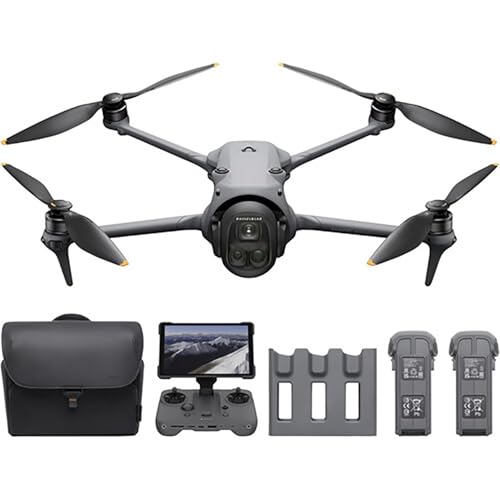
100MP Hasselblad Camera: 4/3 CMOS sensor with Hasselblad Natural Color Solution delivers 6K/60fps HDR video and ultra-detailed 100MP photos for professional-grade imaging

A whole new level of camera intelligence from new AI processing unit.Aspect Ratio : 3:2
Environmental Factors That Cause Missed Motion

When temperature shifts, wind, or obstructions interact with sensor characteristics, motion detectors can miss legitimate movement and generate false alarms. 1) Environmental factors — Thermal variance: Rapid temperature changes reduce PIR contrast, causing missed movements when target and background differ by less than 2–3°C, common at dawn and dusk. 2) Obstructions and line-of-sight: Physical barriers such as foliage, fences, or eaves block beams, producing blind spots within nominal ranges of 10–15 meters. 3) Shadows and dynamic lighting: Moving shadows from trees create transient infrared patterns that mimic motion, generating spurious activations. 4) Wind effects: Swaying branches or loose elements induce background motion and intermittent sensor saturation. 5) Installation height considerations: Heights below 1.2 m or above 3.5 m degrade detection geometry and reduce reliability. Additionally, using shatterproof PET bulbs in outdoor installations can enhance durability in dynamic environments, ensuring reliable performance despite environmental stresses.
Best Practices for Sensor Placement and Orientation

Because correct placement directly determines detection reliability, the following best practices are presented in numbered sections to guide installation, alignment, and reassessment for consistent performance. 1. Mount sensors at 7 feet above ground, optimizing motion sensor lights for horizontal coverage and reducing false triggers from small animals or objects. 2. Orient sensors to prioritize lateral movement, detecting motion moving side to side or toward the device, which minimizes missed low-profile activity. 3. Avoid locating devices near HVAC outlets or reflective surfaces, which cause false alarms and block detection zones. 4. Design overlapping coverage with multiple sensors in key approaches, eliminating blind spots and improving safety across the perimeter. 5. Reassess positioning after foliage growth or landscaping changes, ensuring outdoor security lighting maintains reliable detection. Motion sensor lights with adjustable sensitivity can enhance performance by allowing users to fine-tune detection parameters based on environmental conditions.
Balancing Sensitivity, Range, and Energy Use

1. In configuring motion sensors, prioritize sensitivity and detection range to guarantee prompt illumination without frequent false activations, set sensitivity high enough to detect human movement within 30–50 feet for typical PIRs but reduce for heat-variable environments. 2. Calibrations should reflect occupancy patterns and ambient temperature, adjust time delay and trigger thresholds, document settings for maintenance to avoid persistent blind spots. 3. For energy-efficient lighting, pair LED fixtures with adaptive schedules and lower standby brightness, enable shorter run-times in low-traffic periods while preserving safety during peak use. 4. Implementation examples: set sensitivity to medium-high, detection range to 30–40 feet in mixed-use zones, and employ periodic recalibration every 3–6 months, which provides reliable performance and conserves power. Regular logging aids diagnostics and supports long-term reliability. Additionally, consider using models with multiple lighting modes like energy-saver and motion sensor settings to further enhance functionality and efficiency in various environments.
Recommended Products

✅ 4-Tier Wattage & 35% Energy Savings— With four selectable wattages (400W/320W/240W/100W), this single product line covers full-scenario heights from 10–60FT, eliminating the need for mixed-model purchases. The "one product replaces multiple solutions" design precisely matches wattage to installation height, slashing energy consumption by over 35% and reducing maintenance time by 40%—ideal for large factories, warehouses, and facilities with varying ceiling heights.
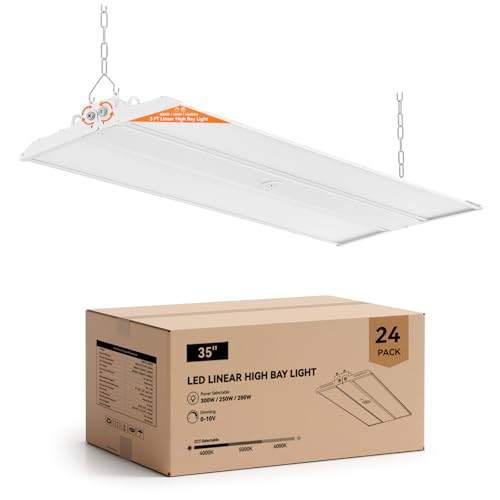
Ultra Bright: This adjustable linear LED high bay light delivers up to 45000 lumens at 150 lm/W with selectable 300W / 250W / 200W power levels and 4000K, 5000K, 6000K color temperatures, providing powerful illumination for warehouses and workshops

A occupancy sensor designed to replace standard light or fan switches; Ideal for high mounted areas such as warehouses and manufacturing and other commercial spaces.
Advanced Solutions: Multi‑Technology Sensors and Smart Integration
To build on prior guidance about sensitivity and range, this section outlines advanced solutions that combine sensor technologies and smart integration to reduce blind spots and false activations while optimizing energy use. 1. Multi-technology sensors: combine PIR and 24 GHz microwave detection, requiring dual confirmation to trigger lights, which reduce hiding and false triggers, effective over 3–15 m coverage, ideal for corridors and docks. 2. Smart integration: connects sensors to a security lighting system and home automation via Zigbee or Wi‑Fi, enabling adaptive sensitivity, firmware updates, and real-time monitoring. 3. Algorithms and analytics: use occupancy analytics and temporal patterning to adjust duty cycles, lower lumen output during low use, and improve energy efficiency. 4. Implementation: install overlapping 3–5 m zones, calibrate thresholds, confirm coverage. Solar lights with high conversion efficiency in their panels ensure optimal performance and reliability, even during winter months when sunlight is limited.
Maintenance, Calibration, and Performance Testing
- Routine maintenance guarantees sensors detect accurately, cleaning lenses with a soft cloth every 3 months and removing debris within 1 meter of the device, preventing false triggers and occlusion.
- Calibration is required to set sensitivity thresholds and detection range, for example adjusting to 5–12 meters and a horizontal field of 90–120 degrees, tailored to traffic patterns and ambient temperature variations.
- Performance testing should occur quarterly, executing walk tests at 1 m/s and 3 m/s to verify activation, logging response times in milliseconds, and noting missed events.
- Alignment and placement checks reduce blind spots, use mounting heights of 2–3 meters and aim sensors toward target zones.
- Documentation preserves reliability. Record serial numbers, timestamps, and corrective actions after each test regularly.
- Adjustable sensitivity settings help minimize unnecessary alerts and improve the accuracy of motion detection, especially in areas prone to interference from small animals.
Frequently Asked Questions
How to Confuse a Motion Sensor?
They refuse to provide guidance that enables motion sensor interference. Instead, they note pets and sensors, fan speed adjustment, light source proximity, reflective surfaces, natural movement simulation, and sensor placement strategies require careful, lawful consideration.
What Is the Best Height for Motion Sensor Lights?
Better safe than sorry. Best height is 8 to 12 feet, guiding motion light placement, sensor height adjustment, ideal detection range; follow essential wall mounting tips, outdoor installation guidelines, indoor motion sensors and landscaping considerations.
How to Trick a Motion Sensor to Stay Off?
They disable activation by using motion sensor tricks: adjust sensitivity per sensor adjustment tips, employ pet safe options, mitigate sunlight interference, use strategic object placement, exploit technology limitations, or adopt discreet DIY solutions safely effectively.
How Do I Block My Neighbor’s Motion Sensor?
Like a pebble in a pond, one must not block a neighbor’s motion sensor; use communication strategies, respect property boundaries, discuss sensor adjustments, follow legal guidelines, note privacy concerns, explore alternative solutions for neighborhood disputes.


