As an Amazon Associate, we earn from qualifying purchases. Some links on this site are affiliate links at no extra cost to you. Our recommendations are based on thorough research and editorial judgment.


How Extreme Heat and Cold Affect LED Motion Bulbs

1. Temperature effects: LED motion bulbs operate between −30°C and +85°C, with lumen depreciation accelerating 30–50% per 10°C above ideal, junction temperature control is critical. 2. Cold behavior: temperatures below 0°C can boost lumen output by 5–20% and improve activation speed. 3. Hot behavior: sustained >85°C causes encapsulant yellowing, driver stress, and lifespan loss. Use aluminum heatsinks, 0.5 m clearance, IP65 sealing, and LM-80/L70 testing for mitigation, more details follow. See next sections for specifics.
Key Takeaways
- Cold below 0°C can increase lumen output and activation speed by 5–20%, improving visibility and energy efficiency.
- High ambient temperatures above 85°C accelerate lumen depreciation, encapsulant yellowing, and significantly shorten LED and driver lifespan.
- Rapid temperature swings (25–40°C) cause mechanical stress that can crack lenses and solder joints, reducing reliability.
- Proper thermal management—heatsinks, aluminum PCBs, 0.5 m clearance, and vents—keeps junction temperature down and prolongs bulb life.
- Choose bulbs rated for 25–85°C with IP65 protection and LM-80/L70 data to verify lumen maintenance and expected lifetime.
Why Temperature Matters for LED Motion Bulbs

1.1 Temperature effects on photometric and mechanical performance: Because temperature directly influences semiconductor behavior and material stress, LED motion bulbs exhibit measurable changes in lumen output, activation response, and mechanical reliability across the -30°C to +70°C range, requiring deliberate design and installation choices to maintain rated performance. 1.2 Core impacts: Elevated ambient temperatures reduce quantum efficiency and can increase lumen depreciation by 30–50% per 10°C above ideal levels, shortening lifespan and raising failure risk. 1.3 Design responses: Implement thermal management such as heatsinks, active convection paths, and high‑temperature materials rated to 85°C, to dissipate heat and prevent mechanical strain. IP65 waterproof rating ensures that LED motion bulbs can withstand various weather conditions, reducing the risk of damage from rain or snow. 1.4 Application guidance: Specify fixtures with airflow, avoid enclosed housings, monitor case temperature, and select bulbs rated for extreme heat. Regular maintenance guarantees sustained performance.
How Cold Temperatures Affect LED Performance

When ambient conditions fall below 0°C, LED motion bulbs typically exhibit improved photometric output, faster activation, and reduced thermal degradation, which together enhance visibility and extend operational life in freezing environments. Photometric response: cold temperatures increase lumen output by 5–20% in many designs, improving contrast and visibility, measurements taken at −10°C show stable candela patterns, and calibration should reflect these gains. Electrical and thermal behavior: lower ambient temperature reduces thermal stress on diodes and drivers, decreases junction temperature, and improves energy efficiency, consistent operation continues without warm-up. Implementation: select sealed, impact-resistant fixtures for outdoor use, verify driver specifications for rated low-temperature performance. Regular testing at specified low temperatures guarantees reliability and informs maintenance scheduling. In addition to these benefits, waterproof IP65 rating ensures that LED motion bulbs can withstand harsh weather conditions, similar to the protection provided to landscape solar lights.
How High Temperatures Impact LED Output and Lifespan

3.1 High-temperature effects on LED output and lifespan: exposure above 85°C accelerates encapsulant degradation and can reduce lumen output by up to 30%. 1. Overview: High temperatures degrade LED performance, reducing light output and shortening service life; prolonged exposure beyond 85°C can cut lifespan by 30–50% per 10°C rise. 2. Mechanisms: Heat drives encapsulant yellowing and driver stress, causing lumen depreciation and increased failure rates, necessitating thermal management and improved heat dissipation designs. 3. Specifications: Maintain operating temperature between 25°C and 85°C for peak performance, use aluminium heat sinks, thermal pads, and active cooling where junctions approach dangerous levels. 4. Implementation: Monitor case temperature, derate output in situ, select heat-resistant materials, and ascertain adequate airflow. Reassuringly, proper design preserves longevity. Follow manufacturer guidelines always. For optimal performance in outdoor settings, consider weather-rated and durable LED fixtures to ensure they withstand extreme temperatures and environmental conditions.
Thermal Limits, Junction Temperature, and What They Mean

1. Thermal limits and junction temperature are critical for LED motion bulbs, defined by an ideal operating range between 25°C and 85°C, with junction temperature (Tjunction) that can exceed +100°C during operation, causing thermal stress and accelerated degradation. 2. Excessive heat above +60°C reduces LED performance and lifespan, a 10°C overrun can halve life, so heat dissipation via heat sinks, thermal pads, and active cooling is essential in design, for example a finned aluminum sink increasing surface area by 200%. 3. Cold temperatures improve lumen output and startup response, but thermal management must prevent condensation and mechanical stress. 4. Practical implementation requires monitoring Tjunction with sensors and maintaining case temperature within specified limits. Verify thermal paths, use thermal interface materials, reduce thermal resistance actively. 5. Durable construction and weatherproof technology are essential for ensuring LED motion bulbs withstand extreme weather conditions, extending their lifespan and maintaining performance.
Effects of Rapid Temperature Fluctuations on Components
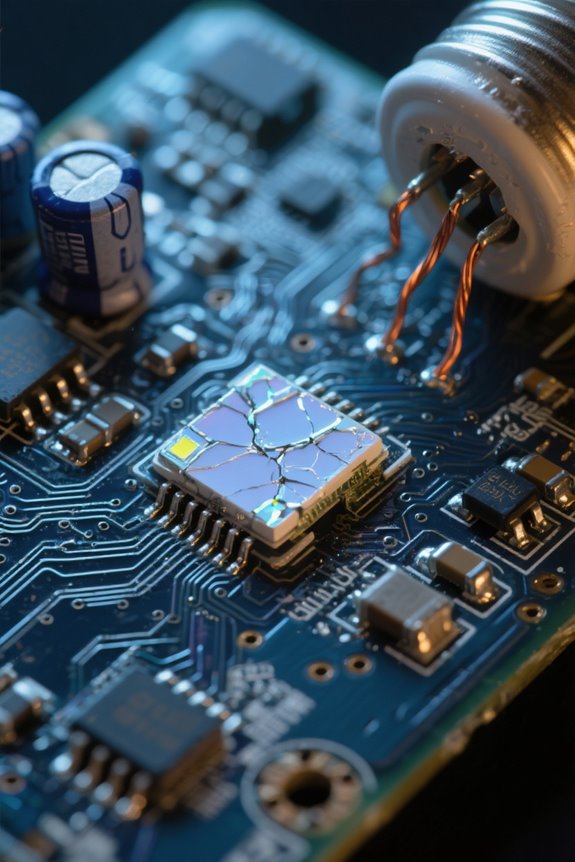
Effects of rapid temperature fluctuations on components are significant, producing mechanical stress, differential thermal expansion, and accelerated degradation when ambient or junction temperatures change by tens of degrees Celsius within minutes. 1. Mechanical impact: LED Lights endure cyclic strain that can crack solder joints, lenses, and PCB substrates, reducing reliability when changes exceed 25–40°C over minutes, measurable with thermal cycling tests. 2. Electrical response: Rapid heating increases resistance, delaying startup and degrading performance of LED, shortening useful life when operating outside 25–85°C, a 10°C overage can halve lifespan. 3. Thermal management: Poor heat dissipation in industrial environments magnifies stress, hence install temperature buffering, use conformal coatings, and select drivers rated for wide ranges. Regular monitoring and controlled environments will improve long term reliability. Additionally, IP65 weatherproofing is a crucial feature for outdoor LED motion bulbs, similar to solar security lights, as it ensures durability against harsh weather conditions.
Materials and Construction for Extreme Temperature Resistance
When designing LED motion bulbs for extreme temperature, material selection and construction must prioritize thermal conductivity, mechanical robustness, and environmental sealing to maintain performance. 1. Enclosure materials: Use corrosion-resistant alloys, anodized aluminum or stainless steel, with wall thicknesses of 1.5–3.0 mm to resist warping from heat, improve durability, and provide EMI shielding. 2. PCB and substrate: Implement aluminum-backed PCBs with 1.0–2.0 mm metal core, thermal vias, and solder pads rated for 150°C, to conduct heat away from LED junctions in high-heat scenarios. 3. Sealing and optics: Apply silicone gaskets, IP67-rated seals, and tempered glass lenses 3–6 mm thick to protect against moisture and cold environments, while allowing adequate ventilation channels for controlled airflow. Practical choices extend service life. These choices support LED technology reliability. Additionally, energy-efficient outdoor lights like LEDs can reduce electricity bills by up to 98% compared to incandescent bulbs, making them a cost-effective option for extreme climates.
Thermal Management: Heat Sinks, Conduction, and Convection
1. Thermal management in LED motion bulbs requires deliberate design, where heat sinks provide primary thermal conduction paths, minimizing junction temperatures and ensuring effective heat dissipation under extreme temperatures, for example aluminum fins with 150–300 cm2 surface area per watt improve cooling. 2. Convection must be enabled by airflow channels, mounting clearances of 5–15 mm, and orientation that promotes natural or forced convection, reducing thermal stress and extending lifespan. 3. Materials and interfaces should use thermally conductive pads or solder with ≥1.5 W/m·K, and minimize air gaps to improve conduction to chassis. 4. Implementation guidance: specify thermal resistance targets below 5°C/W, validate with thermal imaging, and maintain conservative safety margins. Measure performance at specified ambient extremes and document results for product qualification and reporting. 5. Energy-efficient wall mount LED lights offer significant savings and reduced electricity bills while maintaining high lumen output, which complements the benefits of effective thermal management in extending the lifespan of LED motion bulbs.
Driver and Power Supply Considerations in Hot and Cold Environments
Although LED motion bulbs are designed for commercial use, their drivers require deliberate selection and protection to maintain performance across -30°C to 70°C ranges. 1. Driver selection: Choose power supplies rated for the full LED Temperature range, with operating specs to -30°C and up to 70°C, low ESR capacitors, and wide thermal margins to limit electronic components degradation. 2. Thermal management: Implement heat-dissipating enclosures, conduction paths, and airflow, use weather-resistant housings with aluminum fins, and specify temperature derating curves to prevent luminous decay under high temperatures. 3. Cold operation: Use components with low temperature start-up capability, preheating circuits or cold-tolerant regulators to avoid delayed startup in low temperatures, ensuring reliable motion sensor response. Maintain periodic inspection and replace failing drivers before functional failure occurs. Weatherproof and Durable Construction is essential for solar motion detection lights to withstand harsh environmental conditions and ensure longevity.
Installation and Placement Best Practices to Minimize Thermal Stress
- Positioning and clearance: Install LED lighting products away from heat sources such as machinery, exhausts, or direct sunlight, maintaining at least 0.5 m clearance to reduce thermal accumulation and extend component life.
- Spacing and airflow: Provide 10–20 cm between fixtures, incorporate vents or louvered housings to promote convective cooling, and avoid enclosed cavities that trap heat.
- Materials and ventilation: Use weather-resistant housings rated for −30°C to 70°C with aluminum heatsinks or PCB layers to conduct heat, and design openings to prevent ingress while allowing airflow.
- Mounting examples and verification: Mount fixtures on vertical surfaces when possible to aid convection, and confirm temperatures with infrared thermography during commissioning. Document installation distances and thermal readings for future maintenance and warranty records periodically.
- For optimal outdoor lighting, consider using fixtures with a weatherproof rating such as IP45, which ensures durability against various outdoor elements while maintaining the performance and longevity of the lights.
Testing, Ratings, and Certification for Temperature Resilience
When evaluating temperature resilience, stakeholders must reference standardized testing protocols and certification benchmarks, which define performance limits, measurement methods, and pass/fail criteria. 1. Test protocols: High/Low Temperature Testing assesses LED operation from -30°C to 70°C, LM‑80 measures lumen maintenance at elevated temperatures over defined hours, and thermal cycling reveals mechanical fatigue, testing guarantees consistent thermal performance and safety margins. 2. Ratings and metrics: L70 indicates useful life before 30% lumen depreciation, higher ambient temperature accelerates degradation, ratings should state test conditions and runtime. 3. Certification and implementation: UL and CE verify durability under thermal stress, manufacturers should document testing reports, include heat sinks and ventilation specs, and advise installation limits to ascertain reliable outdoor and industrial LED performance. Follow documented limits for predictable service. Additionally, choosing lights with IP65 water resistance ensures protection against water damage in extreme weather conditions, enhancing the durability of LED motion bulbs in outdoor settings.
Design Trends and Future Innovations for Temperature-Tolerant LEDs
Following the documented testing and certification benchmarks, design work moves toward practical engineering solutions that meet specified limits and operational envelopes for -30°C to 70°C service, using measured data from LM‑80, thermal cycling, and high/low temperature tests to inform materials selection and thermal system sizing. 1. Materials: Specify heat-resistant, corrosion-resistant alloys, silicone potting compounds, and gasketing, choose components rated to -40°C to 85°C, guarantee seals prevent condensation. 2. Thermal management: Implement larger aluminum heat sinks, increased surface area fins, optimized airflow channels, and active ventilation, verify thermal resistance below 1.5°C/W to maintain LED performance. 3. Electronics and efficiency: Integrate energy-efficient drivers with ambient sensing, apply dynamic power scaling, validate in situ under temperature profiles, this approach extends life and maintains reliable output and durability.
Frequently Asked Questions
Does Extreme Cold Affect LED Lights?
Yes, extreme cold can affect LED lights: LED performance improves in cold weather, boosting energy efficiency and supporting outdoor usage, though temperature sensitivity may cause driver issues and lifespan reduction if components face prolonged stress.
Can Heat Affect LED Lights?
Yes, heat affects LED lights: elevated temperatures degrade LED performance, causing lifespan reduction and reduced energy efficiency; poor heat dissipation exacerbates temperature effects, risking component failure and increasing environmental impact through premature replacements reducing durability.
At What Temperature Do LED Lights Stop Working?
LEDs typically stop working below about -30°C or when junction temperatures exceed roughly 85–100°C; LED performance depends on temperature ranges, with cold durability and heat resistance affecting failure rates, while ideal conditions preserve lifespan longer.
Can Light Bulbs Be Stored in an Unheated Garage?
They should not be stored in an unheated garage; poor storage conditions and temperature fluctuations shorten bulb lifespan. Without adequate garage insulation, cold weather and heat stress reduce product durability and degrade LED performance noticeably.


