As an Amazon Associate, we earn from qualifying purchases. Some links on this site are affiliate links at no extra cost to you. Our recommendations are based on thorough research and editorial judgment.

Motion Lighting Strategies for Large Driveways and Courtyards

1. Sensor types: Use PIR for 5–12 m zones, microwave for 10–20 m, or dual-technology for false-alarm reduction, adjust sensitivity and mounting at 6–10 ft. 2. Layout: Space fixtures every 10–15 ft, select 60°–120° beam angles, position for 360° ceiling coverage or directed downlighting to reduce glare. 3. Integration: Hardwire high-traffic circuits, add smart controls and camera verification. Maintenance schedule: quarterly lens cleaning and vegetation trimming. More technical guidance and siting diagrams are available online now.
Key Takeaways
- Choose appropriate sensors (PIR, microwave, or dual-technology) based on range, false-alarm tolerance, and site obstructions.
- Space fixtures every 10–15 feet and mount at 6–10 feet for reliable driveway and courtyard coverage.
- Use adjustable detection angles and 60°–120° beam-angle LEDs to minimize dark spots and glare for drivers and pedestrians.
- Integrate smart controls, camera linkage, and programmable schedules to verify events, reduce false alerts, and enable remote management.
- Plan for LED fixtures, hardwiring high-traffic zones, quarterly lens cleaning, and evaluate rebates to optimize long-term cost and performance.
Understanding Motion Sensor Technology
Understanding of motion sensor technology is foundational for effective lighting design in driveways and courtyards, and it encompasses detection methods, coverage metrics, configuration parameters, and integration protocols that determine performance and energy use. 1. Detection methods: motion sensors employ PIR, microwave, or dual-technology to detect movement, PIR senses 5–12 thermal signatures for residential zones, microwave covers 10–30 m for expansive perimeters. 2. Coverage and metrics: sensitivity, field‑of‑view (90°–360°), and detection zones are adjustable, enabling customization to avoid pets and foliage triggers. 3. Configuration and control: settings include hold time, lux thresholds, and ability to control remotely via smart lighting platforms, enabling scheduling and real‑time adjustments. 4. Implementation: pair sensors with modular fixtures in expandable outdoor settings for energy efficiency and consistent security and reliability. When selecting motion sensor lights, consider lumen outputs between 850-3,000 lm and a color temperature range of 3,000-5,000 K for suitable brightness and ambiance.
Types of Motion Sensors and How They Work

- Passive Infrared (PIR): Passive Infrared sensors detect changes in infrared radiation emitted by warm bodies, they respond to temperature differentials typically above 0.5°C across sensor elements, suitable for short to medium ranges up to 12 meters, commonly used in motion sensor lights for localized activation.
- Microwave sensors: Microwave sensors emit and receive high-frequency pulses, they detect motion via Doppler shifts across larger areas up to 20 meters, they penetrate non-metallic obstructions, but can be more prone to environmental triggers.
- Dual technology sensors and settings: Dual technology sensors combine PIR and Microwave sensors to reduce false activations, adjustable sensitivity and selectable time delays allow tailoring detection and duration, integrating with LED lighting maximizes energy savings while maintaining security and visibility. Ceiling-mount sensors can provide 360-degree occupancy detection across a room, making them ideal for comprehensive coverage.
Recommended Products

Supports 8K/60P Internal RAW or Cinema RAW Light Recording, HDMI 8K RAW Output to Compatible Recorders, 8K HDR Recording (PQ/HLG)
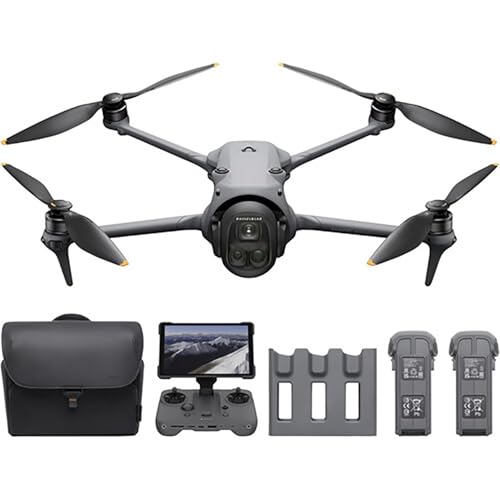
100MP Hasselblad Camera: 4/3 CMOS sensor with Hasselblad Natural Color Solution delivers 6K/60fps HDR video and ultra-detailed 100MP photos for professional-grade imaging

World’s first 1.0-inch type stacked Exmor RS imaging sensor, Flexible 4K and Full HD recordings (XAVC Long GOP at 100Mbps), HFR 120 fps Super Slow Motion (continuous), Clear Image Zoom (24x for HD, 18x for 4K)
Placement and Spacing for Driveways and Courtyards

Section 1 — Placement and Spacing: After selecting appropriate sensor technology and adjusting sensitivity and time-delay settings, placement determines detection performance and false-trigger mitigation. 1) Spacing and height: Installers should space fixtures along driveways every 10 to 15 feet, mounting them between 6 and 10 feet high, which optimizes PIR coverage cones, reduces blind zones caused by passing vehicles, and maintains consistent detection overlap. 2) Beam pattern and fixture selection: Specify wider beam-angle LED lights for broad courtyards to reduce fixture count, select lenses or reflectors that yield even illuminance, and combine wide-angle units with targeted downlights at entries. 3) Power and reliability: Hardwiring is recommended for high-traffic, heavily shaded outdoor lighting runs to guarantee continuous operation and visibility. Adjustable detection angles allow for fine-tuning of sensor coverage, reducing the likelihood of false alarms and enhancing security effectiveness. Maintenance schedules further improve reliability.
Recommended Products

Ultra HD 4K / 8MP 8 Channel NVR with (8) H.265+ HD 1920P 5MP POE Outdoor/Indoor Two Way Audio IP Camera

8.0 Megapixel Full HD Realtime Recording 8 Channel 6K NVR with (8) 5MP @30FPS Real-Time Weatherproof POE Full-time Color Two-Way Audio IP Bullet Cameras (Built-in 2.8mm HD Lens for wide view angle and Built-in Microphone and Speaker for Audio Recording and 2 Way Talk)

【Super Bright & Long-Lasting】: Under fully charged, this solar light can provide a long working time about 20-25 hours in bright mode, can 5-9 nights continuous lighting at dim mode. Street solar light equipped with 196pcs high quality LED beads, reflector cup and 12.6V/42,000mAh battery
Designing for Coverage, Aesthetics, and Minimized Glare

1. Coverage and glare control: place sensors and downlights every 10–15 feet, mount fixtures 6–10 feet high, and specify 60°–120° beam angles to maintain detection overlap and minimize dark zones. Solar pathway lights, with their energy-efficient solutions, enhance safety and aesthetics for outdoor spaces such as gardens, pathways, and driveways. 1. Detection and overlap: When motion is detected, dual-technology PIR/microwave sensors reduce false triggers, and adjustable sensitivity settings allow tailored coverage for drive lanes and courtyards, improving lighting design and reducing activation. 2. Fixture selection and glare: Use downlighting or recessed fixtures with shielding and narrow cut-off optics to direct light to paths, preserving sightlines and minimizing glare for drivers and pedestrians, which sustains aesthetic appeal and overall aesthetic. 3. Efficiency and execution: Plan lamp lumen output to match task illuminance, calculate energy consumption, prioritize LED sources for saving energy during planning and execution.
Integration With Security Systems and Smart Controls

Integrating motion lighting with security systems and smart controls enhances detection fidelity and operational control for driveways and courtyards, enabling synchronized alarms and camera triggers. 1. System architecture: Specify motion sensor lights positioned every 6–8 meters for 15–20 m detection zones, integrate PIR and microwave sensors for dual-technology verification, connect to security systems via wired or encrypted wireless protocols. 2. Smart control configuration: Configure smart controls with remote control access, set programmable features including sensitivity bands, schedules, and camera linkage, reduce false alarms in high-traffic outdoor spaces. 3. Alerting and response: Route real-time alerts to mobile devices, log events with timestamps and thumbnails, trigger sirens or recording on verified detection, test monthly for latency under 2 seconds. Solar-powered motion sensor lights, which charge throughout the day, ensure energy efficiency and seamless integration into existing systems. Document results and adjust.
Energy Efficiency: LED, Timers, and Sensor Settings
1. Section 1: LED Selection and Baseline Efficiency. LED fixtures consume up to 90% less energy than incandescent, provide 500–1500 lumens per fixture for driveway illumination, and require 10–30 watts depending on lumen output and beam spread. 2. Timers and Scheduling. Timers automate on/off cycles, set schedules for dusk-to-dawn or fixed hours, and reduce runtime during low-use periods by 50–80%. 3. Motion Sensor Settings. Motion sensor activation limits energy draw, set hold times to 30–120 seconds, and adjust sensitivity to minimize false triggers from animals or road traffic. 4. Smart Lighting and Control. Integrate smart lighting for remote control, real-time adjustment, and data-driven optimization, enabling adaptive schedules and occupancy-based dimming to maximize efficiency. Adjustments should be logged and reviewed quarterly to confirm measurable savings. Additionally, dusk to dawn sensor lights can enhance security and energy savings by providing automatic illumination when ambient light levels drop.
Recommended Products

Dusk to Dawn Technology – Keep your home as efficient as possible, with dusk to dawn technology the animated flame bulb will immediately ignite when the sun starts to set

[4K Ultra HD and Color Night Vision] This incredible 4K CMOS image sensor allows the camera to capture more light, resulting in improved color, contrast, and low-light performance. With 4K resolution, you can record everything in stunning detail with high pixel count and digitally zoom in on objects in the distance without losing any quality. Experience the ultimate clarity and enhanced visibility with our advanced technology.

【Say goodbye to darkness and high electricity bills】Tired of dark driveways or expensive electric bills? This solar street light provides a powerful 25000W equivalent brightness using 0 electricity. Simply mount it outdoors, and it charges automatically during the day. You get a reliably lit property at night without increasing your monthly expenses or needing complex wiring, giving you peace of mind and instant savings.
Installation, Wiring, and Maintenance Best Practices
Section 1: Site assessment and preparatory planning, installers should begin with a measured survey of the driveway or courtyard, documenting dimensions, sightlines, and potential obstructions, to determine ideal fixture placement, wiring routes, and service access points before any trenching or electrical work begins. 1. Installation planning: map fixture spacings at 6–12 meter intervals, note mounting heights of 2–4 meters, and plan power runs to minimize voltage drop, using conduit where soil conditions demand. 2. Wiring standards: employ outdoor-rated cable, GFCI protection, conduit, and comply with local codes, test continuity and insulation resistance before backfilling. 3. Maintenance protocol: schedule quarterly inspections, clean motion sensor lenses, verify sensitivity settings, trim vegetation impacting coverage, and document findings. When considering solar lighting options, it’s important to note that high-capacity solutions can guarantee effective and efficient outdoor illumination. Professional installation is recommended for complex outdoor space systems regularly.
Recommended Products

12.0 Megapixel Full HD Realtime Recording 6K 12MP NVR 16 Channel Security Camera System with (16) 8MP 2-Way Auido Weatherproof POE H.265+ 4K Full-time Color IP Turret Cameras (Built-in 2.8mm 8MP HD Lens for 130° wide view angle and Built-in Microphone and Speaker for Two-Way Audio))

8.0 Megapixel Full HD Realtime Recording 16 Channel Onvif 4K NVR with (16) 8MP Weatherproof POE H.265 4K Full-time Color IP Bullet Cameras (Built-in 2.8mm 8MP HD Lens for 115° wide view angle and Built-in Microphone for Audio Recording))

12.0 Megapixel Full HD Realtime Recording 16 Channel 12MP NVR with (16) 8MP Weatherproof POE H.265+ 4K Full-time Color IP Bullet Cameras (Built-in 2.8mm 8MP HD Lens for 130° wide view angle and Built-in Microphone for Audio Recording))
Budgeting, Rebates, and Long‑Term Cost Savings
Although initial capital expenditures can be substantial, a structured budgeting methodology will quantify upfront costs, projected energy savings, and net present value over the expected asset life, enabling objective investment decisions. 1. Budgeting: Assess initial investment per fixture (e.g., energy-efficient 15–25W LED units, 50,000‑hour life), wiring runs in meters, mounting hardware, and programmable smart lighting controllers, total installed cost and financing options. 2. Rebates: Identify utility and municipal rebates, document eligibility, claim procedures, typical rebate amounts, and required photos or compliance certificates to reduce net expenditure. 3. Long‑term cost savings: Calculate energy savings from motion sensor technology and dimming schedules, estimate maintenance savings from LEDs, and compute payback period and net present value to support procurement. Consider staged deployment to manage cash flow effectively. Motion sensor lights with at least IP65 protection are recommended for outdoor use, as they ensure reliable weatherproof performance in exposed installations.
Recommended Products

OPENLUX Only Make High-Quality: Our LED post top light is ETL listed made of SMD3030 LED chips; High-end driver; heavy-duty aluminum Anti-shock, anti-moisture, no glare, no strobe light, protecting your eyes

✅ 9-in-1 Versatility: ORRGENA UFO LED High Bay Light offers 3 adjustable wattages (300W/45000LM, 240W/36000LM, 180W/27000LM) along with 3 selectable CCT options (4500K Warm White, 5000K Neutral White, 5700K Daylight). Easily customize the brightness and color to create tailored lighting for diverse industrial and commercial environments.

POWERFUL OUTPUT: Bring ultra bright performance to indoor commercial areas with a 150W UFO LED high bay light that produces 21,000 lumens at high efficiency (140 lm/W). These UFO high bay lights are built for LED high bay lights upgrades in a warehouse, workshop, or garage, delivering clear visibility for work areas, storage aisles, and equipment zones.
Frequently Asked Questions
How to Light up a Long Driveway?
One uses driveway lighting techniques combining solar pathway lights, LED strip installations and decorative pole lights; prioritizes motion sensor placement for safety and security while adding ambient lighting options to highlight landscaping and guide vehicles
What Is the Disadvantage of Outdoor Motion Sensor Lights?
They can be problematic in many situations: Sensitivity settings may cause False alarms, Limited range leaves gaps, Installation challenges increase costs, Battery life limits portability, Weather resistance varies, and Privacy concerns arise from unexpected activation.
What Is the Best Lighting for a Driveway?
A homeowner installed bright driveway options: lampposts, ambient lighting design, solar driveway lights and decorative pathway illumination, choosing LED vs halogen for efficiency. The scheme balances security lighting advantages with energy efficient solutions and appeal.
How to Light up a Courtyard?
The designer lights a courtyard with layered illumination: downlights, recessed paths, decorative fixtures for courtyard ambiance; they prioritize landscape integration, color temperature, solar options and energy efficiency, adding motion sensors for safety enhancements and rhythm.


