As an Amazon Associate, we earn from qualifying purchases. Some links on this site are affiliate links at no extra cost to you. Our recommendations are based on thorough research and editorial judgment.


How Long Motion Sensors Typically Last Before Needing Replacement

1. Typical lifespan: battery-powered passive infrared sensors last about 4–7 years on alkaline or lithium CR123A cells, subject to activation frequency and temperature; hardwired units commonly exceed 15–20 years with proper environmental protection and IP65-rated enclosures. 2. Maintenance and indicators: replace batteries every five years, inspect lenses semiannually, and expect replacement if false alarms or erratic behavior persist. Inspect mounting and wiring quarterly to extend service life. More technical guidance and replacement criteria follow below.
Key Takeaways
- Wireless motion sensors typically need battery replacement every 4–5 years, sometimes lasting up to about 7 years.
- Properly installed hardwired sensors can function reliably for 20+ years with minimal replacements.
- Extreme temperatures, frequent activations, UV exposure, and poor mounting significantly shorten sensor lifespan.
- Regular maintenance—cleaning lenses, checking mounts, and monitoring battery voltage—extends operational life and reliability.
- Replace sensors showing persistent false alarms, erratic behavior, or low-battery warnings, or when they approach end-of-life (about five years for battery units).
Typical Lifespan Ranges for Motion Sensors

1) Overview: Motion sensors exhibit varied operational lifespans depending on type, installation, and power source, with specific ranges documented. Wireless units commonly require battery replacement every four to five years, some models extend to seven years under ideal conditions. Hardwired motion detector assemblies demonstrate longevity, frequently exceeding twenty years with proper installation and environmental control. Weather-resistant construction is critical for longevity, as models with an IP65 or higher rating can withstand outdoor conditions and maintain functionality over time. 2) Battery-influenced lifespan: Average battery life is affected by usage frequency, temperature, and signal transmission demands, low battery causes include high activation rates and extreme cold, which accelerate depletion. 3) Failure indicators: Sensors may display flashing LEDs despite connection issues; replacement is advised when functionality degrades or response times exceed design specifications. Regular maintenance prolongs service life and guarantees reliable detection consistently.
Factors That Shorten or Extend Sensor Life

Because material quality, environment, and usage patterns directly influence device longevity, technicians should assess components, installation, and operational duty cycles before deployment. 1. Materials and build: Higher-grade PCBs, sealed enclosures rated IP65 or better, and low-drift sensors reduce failure modes, extending motion sensor serviceable time by years under nominal conditions. 2. Environmental stresses: Exposure to temperatures below -20°C or above 60°C, high humidity, salt spray, and UV radiation accelerate corrosion and dielectric breakdown, necessitating ruggedization and conformal coatings. 3. Usage and installation: Frequent activations, poor mounting, and use of economy housings increase mechanical and electronic wear; employ secure mounts, correct orientation, and manufacturer-recommended duty cycles. 4. Reliability assessment: Verify brand field data, warranty terms, and replace on measured performance decline. Document findings for maintenance. Motion sensors in bollard lights generally have a battery lifespan of around 1,000 cycles, which can be a crucial factor in determining overall longevity and maintenance needs.
Recommended Products

22500LM Bright Output with 40 ft Coverage💡Each 150W LED wall pack delivers 22,500 lumens of bright 5000K daylight, replacing up to 600W HPS/HID fixtures while cutting energy waste. Save $900+ annually on electricity bills compared with traditional lights. Designed for 10-20 ft mounting height with up to 40 ft diameter coverage, ideal for warehouse yards, parking lots, building perimeters, loading areas, barns, and outdoor commercial spaces.
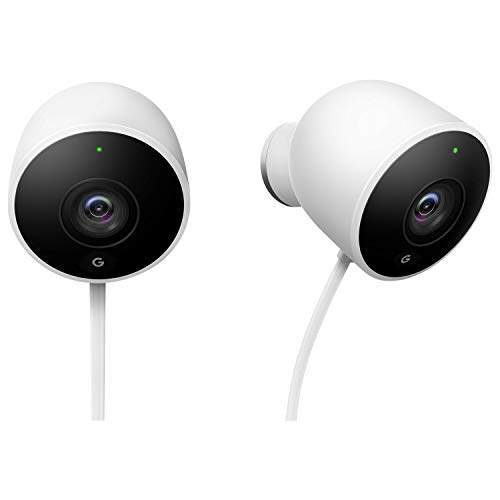
Mounting type: Ceiling Mount

【ENERGY SAVINGS 】– ACOHOOK 500W LED high bay light gives out 75000lm, Eqv.to 2000W HID/HIP fixture, which helps you cut down the electric bill up to 3888USD per 5 Years.( Lighting up for 5hrs Per Day. )
Battery Types and Replacement Indicators

How long should a motion sensor battery last, and what indicators mandate replacement, given typical cell chemistries, device duty cycles, and installation types? 1. Battery life expectations: Typical batteries last 3 to 5 years, newer cells up to 7 years under low-duty conditions, wireless sensors trend shorter life than hardwired units, manufacturers recommend replacement at five years to maintain alarm reliability. 2. Battery types and replacement indicators: Common chemistries include alkaline, lithium CR123A, and CR2 cells, each offering different capacity and temperature resilience, replacement indicators include persistent low-battery warnings, audible beeps from keypads, and erratic sensor behavior such as false triggers. Motion detector porch lights often require attention to battery maintenance to ensure optimal performance. 3. Implementation: Follow manufacturer specifications, schedule replacements, document dates. 4. Inspection cadence: Perform annual checks, log voltage readings, replace earlier if thresholds fail.
Maintenance and Environmental Best Practices
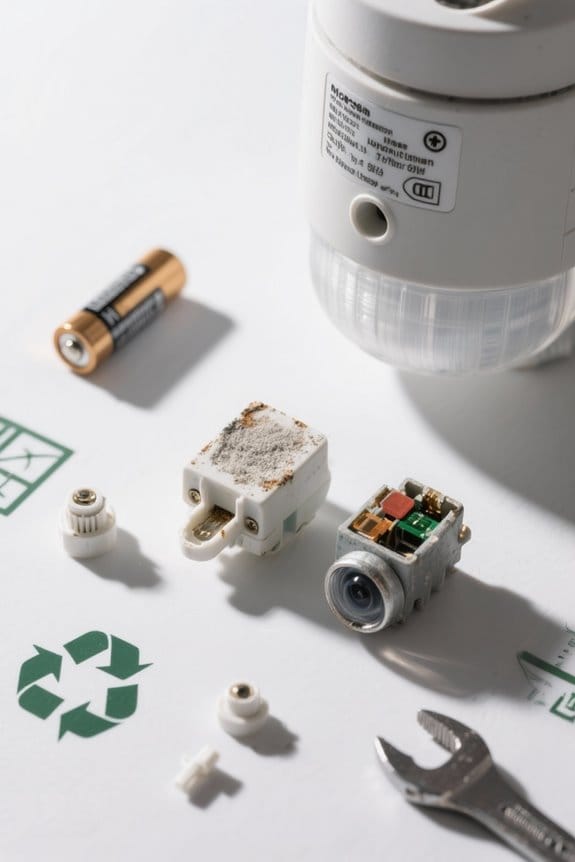
1. Routine maintenance extends operational life: inspect sensors every 6 months, clean lenses with a lint-free cloth, remove dust with compressed air at 30–40 psi, and check mounting brackets for 2–3 mm of play. 2. Environmental protection measures reduce corrosion: for outdoor units, apply IP65-rated enclosures, install under eaves with a 300 mm overhang, and use silica gel packs to control humidity. 3. Placement and signal integrity optimize performance: locate sensors 2–3 m high, avoid direct sunlight and HVAC outlets, maintain 1–2 m separation from other electronics to limit interference, and guarantee reliable communication with the control panel. Models feature rust-resistant and weatherproof construction to withstand various conditions, ensuring longevity and consistent performance. 4. Battery life monitoring is essential: record voltage quarterly, replace cells approaching manufacturer low-voltage thresholds. Maintain records to support scheduled replacements and warranty claims. Regularly document.
When to Repair, Replace, or Upgrade Your Sensors
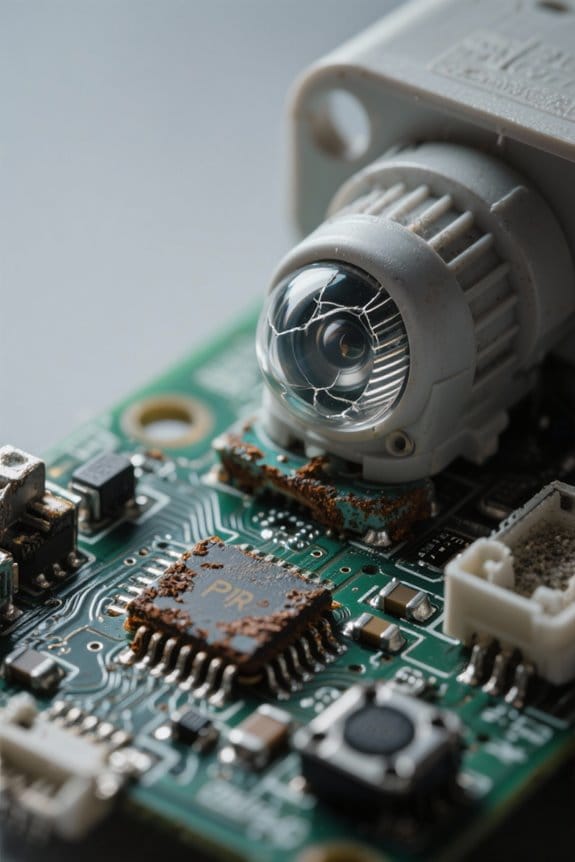
When a motion sensor begins to trigger false alarms or fails intermittently, technicians should follow a structured evaluation protocol that prioritizes measurable diagnostics. 1. Identification: Assess sensor age, noting typical lifespans of 1 to 18 months, inspect battery voltage with a multimeter at 3.0–3.3 and record false alarm frequency per hour. 2. Repair decision: If issues persist after battery replacement and firmware recalibration, perform component-level tests, replace faulty modules, and document repair duration and cost estimates. 3. Replacement and upgrade: For units near end-of-life or exhibiting recurrent faults, replace with modern models offering longer mean time between failures, improved sensitivity, and reduced maintenance. Follow manufacturer guidelines. Maintain scheduled inspections every 3–6 months for peak performance. Additionally, consider sensitivity adjustments in motion sensors to reduce false alarms by setting them to low, medium, or high sensitivity levels based on environmental conditions.
Frequently Asked Questions
How Can You Tell if a Motion Sensor Is Bad?
A motion sensor is bad if it misses motion, triggers false alarms, shows connectivity failures, or has no LED response. They assess sensor performance and use troubleshooting steps: replace batteries, reset, reposition, update firmware, replace.
Do Motion Sensors Wear Out?
Yes, like a weathered lighthouse lamp dimming with storms, they wear out over time; motion sensor longevity depends on quality, usage, and environment, and routine motion sensor maintenance extends life but cannot prevent eventual failure.
What Is the Average Cost of a Motion Sensor?
Average motion sensor cost ranges from $20 to $60 for basic units, while advanced models with cameras or smart features cost $100–$300. Buyers should consider motion sensor types and sensor durability evaluating price versus value.
Is It Expensive to Replace Sensors?
It is generally not expensive to replace sensors; sensor durability affects replacement cost, with basic wireless units costing twenty to a hundred dollars each and hardwired units offering longer life, reducing long‑term maintenance expenses overall.


